The Detail Doc Blog
Paint Protection Film Installation Mistakes Most Vehicle Owners Miss (And How to Avoid Them)
(989) 244-0505 GET SCHEDULED NOWPaint Protection Film, also called PPF or “clear bra,” is one of the best ways to protect your vehicle’s paint from rock chips, road salt, bug etching, and everyday wear. The challenge is that PPF only performs as well as the installation. Many installation issues are subtle at first, then become obvious weeks later through lifting edges, bubbling, haze, or seams that grab your eye.
This guide breaks down the most common PPF installation mistakes, what they look like from an owner’s perspective, and how to choose an installer who will protect your investment. If you are in Bay City, Saginaw, Freeland, Midland, Frankenmuth, Bridgeport, Birch Run, Clio, Fenton, or Shields, the Detail Doc can help you get a clean, durable install that holds up in Michigan conditions.
1) Misaligned Film and Noticeable Seams
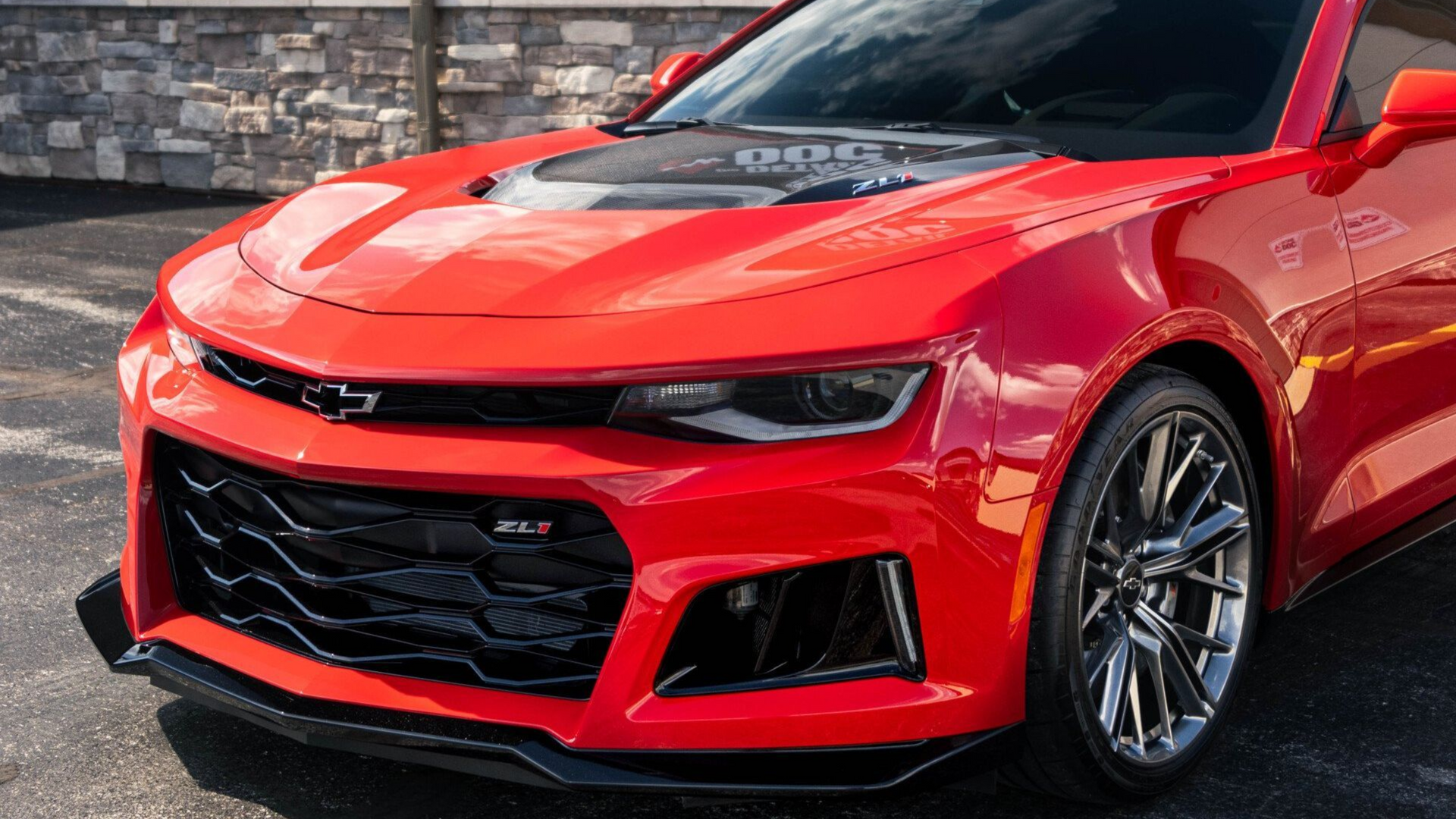
Even high-quality pre-cut patterns can show small seam lines on complex shapes like bumpers, wheel arches, mirrors, and door edges. The mistake is not that seams exist. The mistake is poor placement and rushed alignment.
What you might notice:
- Uneven edges that look “off” from one side to the other
- Gaps that feel inconsistent across the panel
- Seams that sit in highly visible areas instead of being tucked or minimized
How to avoid it as an owner:
- Ask to see install photos of your vehicle make and model.
- Ask how the shop handles complex edges and whether they offer edge wrapping where possible.
- Ask what level of coverage they recommend for your driving habits (full front, partial front, track package, high-impact areas).
2) Bubbles That Show Up Days Later
Some small “silvering” or minor moisture can appear immediately after installation and settle during curing. True bubbling is different. If moisture or air is trapped during installation, bubbles can grow, distort the look, and weaken adhesion over time.
What you might notice:
- Micro-bubbles that increase after the first wash
- Larger bubbles near edges or around curved sections
- Pockets that create a cloudy or distorted area in sunlight
How to avoid it as an owner:
- Ask what the shop’s curing guidance is and how long the vehicle should stay dry.
- Ask whether the install is done in a controlled bay (not an open garage with airflow and dust).
- Ask if the shop offers an inspection appointment after install to catch small issues early.
3) Edge Lifting and Premature Peeling
Edges lift when the film does not bond correctly along high-stress zones like bumpers, mirrors, door cups, and rocker panels. This can come from improper trimming, insufficient edge prep, or not securing vulnerable edges.
What you might notice:
- Corners that start to peel or curl upward
- Dirt collecting along edges
- A “line” that looks darker because grime is caught under a lifting edge
How to avoid it as an owner:
- Ask if the installer uses edge sealing techniques where appropriate.
- Ask about expectations on edges for your package level and your vehicle’s design.
- Make sure you understand the warranty coverage and what is considered normal vs. a defect.
4) Overstretching Film on Curves (Film “Memory” Problems)
PPF is designed to conform, but excessive stretching can create tension that returns later. That is when you see wrinkles, pull-back, or distortion after the film has cured.
What you might notice:
- Wrinkling near tight curves after a week or two
- Edges that “creep back” from where they were originally placed
- Distortion that looks like faint stress lines under certain lighting
How to avoid it as an owner:
- Ask how the installer handles tight contours like mirrors and bumper corners.
- Ask whether they install using methods that reduce tension rather than forcing the film to fit.
- Choose a shop that can show long-term results, not just “fresh off the install” photos.
5) Contamination Under the Film (Dust, Lint, or Residue)
This is one of the most frustrating problems because it can be hard to notice at delivery, then impossible to ignore once you see it in sunlight. Contamination can come from poor surface decontamination, linty towels, dust in the bay, or residue from waxes and oils.
What you might notice:
- Small bumps or specks under the film
- A gritty look in certain angles
- A “peppered” appearance on darker paint colors
How to avoid it as an owner:
- Ask what decontamination steps are included before install.
- Ask whether the shop uses air filtration or practices to reduce airborne dust.
- Ask to see the install bay. A professional setup should feel clean and organized.
Surface Preparation Essentials (What a Quality Shop Does Before Film Touches Paint)
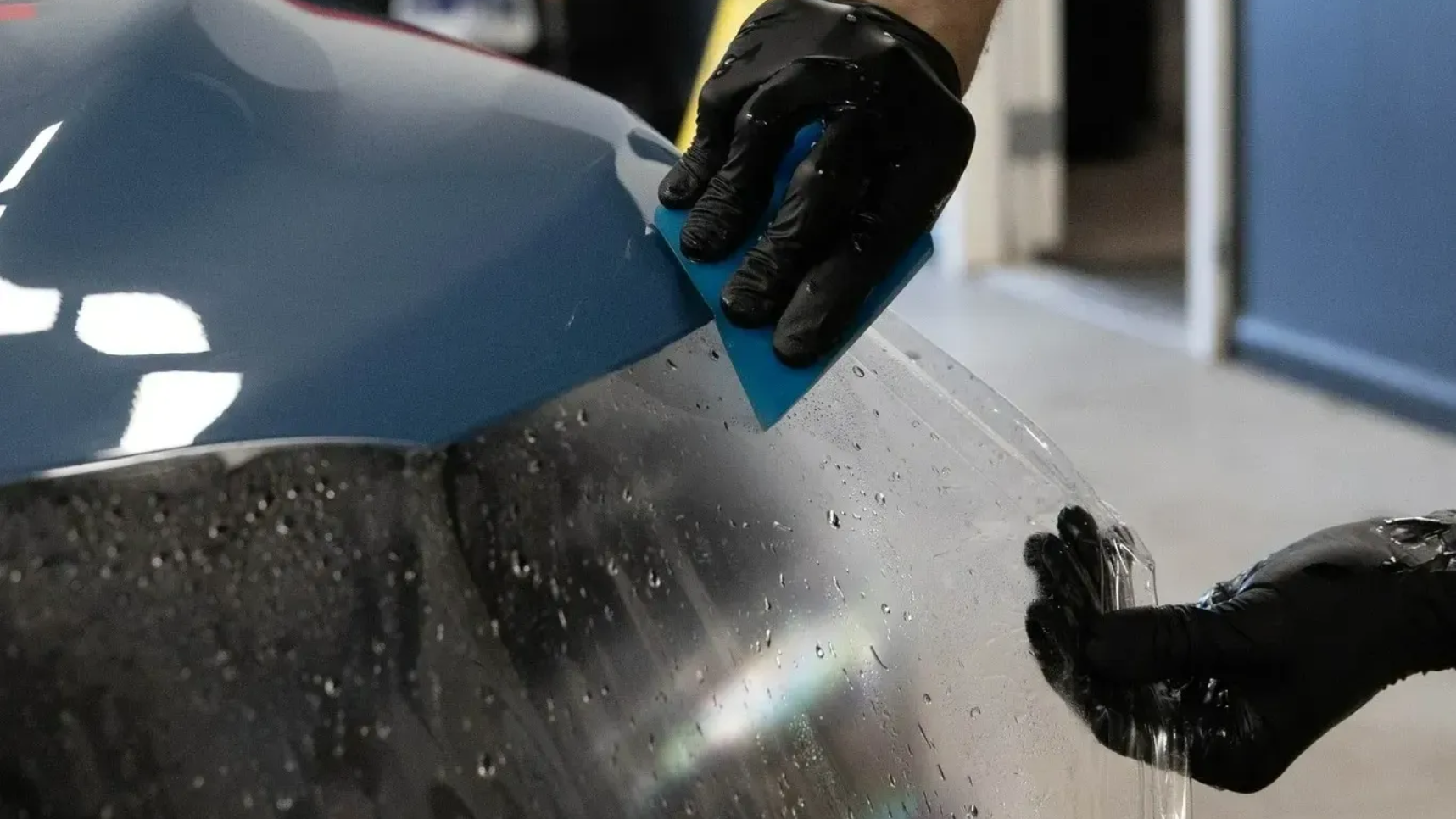
Surface prep is the foundation of a clean install. If prep is rushed, you can end up with poor bonding, trapped contaminants, or a finish that never looks fully clear.
A quality prep process typically includes:
- Thorough wash to remove grime, grease, and road film
- Chemical decontamination to remove embedded particles that a wash will not lift
- Mechanical decontamination (clay or clay mitt) to smooth the surface
- Final wipe down to remove residual oils and leave a clean surface for adhesion
- Final inspection under strong lighting to catch smudges, leftover residue, and tiny defects
As an owner, you do not need to know every product used. You do need confidence that the process is systematic and repeatable, not a quick wipe and install.
Environment and Curing: The Step Most Owners Never Ask About
Even with strong prep, installation conditions matter. Temperature swings, humidity, and dust can all affect bonding and clarity. This is one reason driveway installs often struggle with consistency.
What to ask your installer:
- Is PPF installed in a controlled, indoor environment?
- How long should the film cure before washing or exposure to heavy moisture?
- What aftercare steps do you recommend for the first 48 hours?
In Michigan, curing matters because cold weather, road spray, and winter grime can stress edges early if the film has not bonded properly.
Advanced Quality Signals (Simple Questions That Reveal a Pro Install)
Many owners feel unsure how to evaluate installer quality. Here are practical questions that separate professional shops from rushed installs:
- Pattern and trimming: Do you use pre-cut patterns, custom bulk film, or a combination? How do you prevent paint damage during trimming?
- Edge finishing: When is edge wrapping recommended, and where might seams be unavoidable based on the vehicle’s shape?
- Installation checks: Do you do a final inspection and offer a follow-up to address any early lifting or bubbles?
- Product selection: Which film options do you offer and why? Do you offer different finishes like gloss, matte, or satin?
A good shop can explain trade-offs clearly. For example, full edge wrapping can improve aesthetics but may require more labor and disassembly in some areas.
PPF and Ceramic Coatings: Should You Combine Them?
PPF and ceramic coatings solve different problems. PPF is a physical barrier that takes impact and prevents chips. Ceramic coatings improve gloss, reduce staining, and make washing easier. Many owners choose both: PPF on high-impact areas, then a ceramic coating on top of the film and surrounding paint for easier maintenance.
If you are considering both, ask the detail Doc about a protection plan that matches how you drive and how long you plan to keep the vehicle.
Ready for Professional PPF in Mid-Michigan?
If you want PPF that looks clean, cures correctly, and holds up through Michigan seasons, the Detail Doc provides professional paint protection film installation with an emphasis on prep, edge finishing, and long-term durability.
Serving Bay City, Saginaw, Freeland, Midland, Frankenmuth, Bridgeport, Birch Run, Clio, Fenton, and Shields.
Call the Detail Doc at (989) 244-0505 to request a quote or schedule your install.
The Detail Doc Blog