The Detail Doc Blog
How to Fix and Prevent Ceramic Coating Failure: Complete Maintenance and Care Guide for Michigan Drivers
(989) 244-0505 GET SCHEDULED NOWCeramic coatings have become one of the most trusted and effective ways to protect a vehicle’s paint from the elements. With the right product and a professional installation, ceramic coatings can deliver years of high gloss, hydrophobic performance, and defense against oxidation, road salt, UV rays, and chemical contaminants. However, many vehicle owners in Bay City, Saginaw, Midland, Freeland, Frankenmuth, and surrounding Michigan areas face an unexpected challenge: coating failure caused by poor application, harsh weather exposure, or improper maintenance. When coating issues appear, they often show up as high spots, streaks, dull patches, or areas where the coating fails to bond.
Understanding why ceramic coatings fail, how to fix common issues, and how to maintain the coating correctly is essential to preserving your investment. Michigan’s climate brings a unique combination of intense UV exposure in summer, humidity, sudden temperature shifts, winter road salt, and industrial pollutants. All of these can impact the longevity of a ceramic coating if the coating is not applied or maintained the right way. This enhanced guide explains the major causes of coating failure, how to correct common problems, and how to keep your ceramic coating performing at its highest level for years.
Why Ceramic Coatings Fail
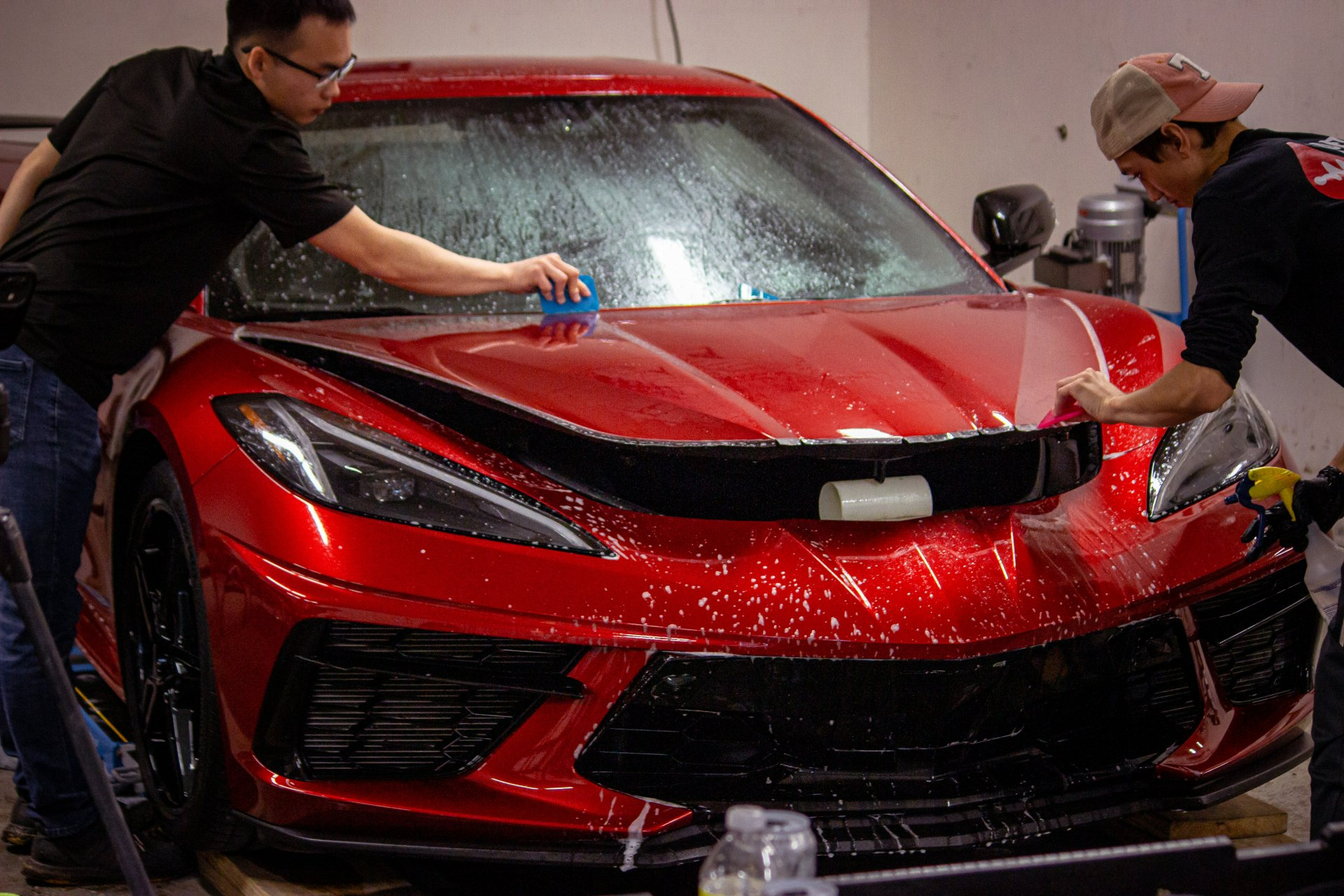
Ceramic coatings are designed to bond with your paint at a chemical level, creating a protective layer that lasts far longer than traditional waxes. But the coating’s success depends heavily on how well the surface is prepared and how precisely the product is applied. Many coating failures begin during installation itself, long before the vehicle hits the road. Michigan vehicle owners who attempt DIY applications often underestimate how much precision and control is required during the coating process.
The most common cause of coating failure is improper leveling. When a coating is not spread evenly across the paint, it forms raised areas or dark streaks known as high spots. These high spots cure faster than the surrounding area because excess product reacts sooner. Once they cure, they appear as glossy, rainbow-like patches or dull spots that stand out against the rest of the finish. These areas not only disrupt the appearance but also fail to protect the paint uniformly. Approximately forty percent of ceramic coating failures come from uneven application, poor product leveling, or improper flash timing.
Environmental conditions during application also contribute significantly. Ceramic coatings cure through a chemical process, and this process is extremely sensitive to humidity and temperature. Applying the coating when the humidity is high, such as during a typical summer day in Saginaw or Freeland, can cause the coating to harden too quickly or fail to bond fully. Low temperatures or rapid temperature changes can slow the curing process and produce a streaky finish. Michigan weather is unpredictable, and attempting to coat a vehicle outside a controlled environment can lead to premature coating failure.
Another major factor is lack of maintenance. Ceramic coatings are durable, but they still require proper care. Harsh detergents, abrasive cloths, and automated car washes with hard brushes can scratch or weaken the coating. Road salt, which is heavily used in Bay City, Frankenmuth, and Birch Run during winter, can sit on the coating for days if the vehicle is not washed regularly. Over time, these contaminants strip away hydrophobic properties and dull the coating. Without consistent maintenance routines, even a professionally installed coating will degrade faster than expected.
Understanding these causes is essential to preventing coating issues before they begin. However, if problems have already appeared, it is still possible to correct them with the right approach.
How to Fix High Spots and Streaks
High spots are one of the most common ceramic coating problems. They appear when too much product sits on the paint before it is leveled, causing certain areas to cure thicker or glossier than the rest. Fixing high spots requires a careful and patient approach to avoid damaging the coating or the paint underneath.
The first step is to identify the high spot using proper lighting. Ordinary garage lighting will not reveal these imperfections clearly. Instead, a diffused, adjustable light source, such as a handheld LED inspection light with a variable temperature setting, works best. The soft glow from diffused lighting highlights streaks and raised areas that would otherwise blend into the surrounding finish. This type of lighting is similar to what professionals use when applying coatings in Bay City, Midland, and Saginaw.
Once the high spot is identified, the simplest correction method is to reapply a small amount of ceramic coating to the affected area. The fresh product reactivates the cured coating, allowing you to gently level the high spot with a clean microfiber applicator. This method works well for recently cured coatings that have not fully hardened. Leveling with circular motions helps spread the coating evenly and prevents new streaks from forming.
If the coating has fully cured or the high spot is stubborn, mechanical polishing may be necessary. Using a dual-action polisher with a soft foam pad and a fine polishing compound, you can abrade the top layer of the coating until the high spot blends smoothly into the surrounding surface. This step should be done carefully, as polishing removes part of the ceramic layer. After polishing, an isopropyl alcohol wipe reveals whether the defect has been corrected and removes polishing residue. Once the area is smooth, a fresh layer of ceramic coating should be applied to restore protection.
Correcting high spots is a delicate process, but with the right technique and tools, the finish can be restored without compromising the overall coating.
Preparing the Surface Properly Before Coating
Proper surface preparation is the foundation of every successful ceramic coating. Without thorough cleaning and correction, the coating will fail to bond or will trap imperfections beneath the surface. Surface prep typically takes much longer than the coating application itself, and it is the step many DIY installers rush or skip.
The process starts with a complete hand wash using a pH-neutral automotive soap. This removes dirt, oils, and loose contaminants. Drive-through washes or quick rinses are not enough; ceramic coatings require a completely clean surface to bond properly. After washing, the next step is decontamination. Clay bars or chemical decontaminants remove bonded contaminants such as industrial fallout, tree sap, and brake dust that remain after washing. These contaminants create tiny texture variations that prevent even coating adhesion.
Once the paint is decontaminated, the next step is paint correction. Paint correction eliminates imperfections such as swirl marks, holograms, oxidation, or fine scratches. These flaws may seem minor, but once a ceramic coating cures, they become permanently sealed beneath the protective layer. Correcting the paint ensures that the coating bonds to a smooth, defect-free surface and achieves its intended glossy finish.
Paint correction is typically done in stages using cutting and polishing compounds with a dual-action polisher. Each stage refines the paint further, improving clarity and depth. Using proper lighting during correction allows you to spot imperfections easily. Adjustable lights reveal scratches and haze that might be overlooked in normal lighting conditions.
The final step before applying the ceramic coating is an isopropyl alcohol wipe-down. This removes polishing oils, residues, and contaminants that could interfere with bonding. After this step, the paint is finally ready for the coating. When preparation is done correctly, the coating bonds tightly to the paint and provides a flawless finish that lasts.
Preventing Future Ceramic Coating Issues
Preventing ceramic coating issues requires consistency and proper care. While coatings offer impressive protection, they still need routine cleaning and occasional reconditioning to perform at their best. Many coating failures happen because owners assume the coating is maintenance-free. In reality, proper maintenance is essential.
One of the most important habits is washing your vehicle regularly. Washing removes dirt, road film, salt, and grime that collect on the surface. Using a pH-neutral soap ensures that the coating is not damaged. Harsh cleaners strip away hydrophobic properties, leaving the coating dull and less protective. In winter, road salt from Michigan highways should be washed off promptly to prevent chemical etching.
Avoiding automatic car washes is also important. Brush-style car washes swirl dirt against the coating, creating micro-scratches that weaken the protective layer. Touchless washes or hand washing with microfiber mitts are much safer options for ceramic coating maintenance.
Proper storage also plays a role in preserving coating durability. Parking in a garage or shaded area reduces UV exposure and protects the coating from bird droppings, tree sap, and environmental pollutants. In Michigan, where winters bring snow and road salt and summers bring high UV exposure, choosing covered parking whenever possible makes a significant difference.
Touchless wash systems are ideal for coated vehicles because they remove dirt without physical contact. They maintain gloss and reduce the risk of scratching. Following each wash, drying with soft microfiber towels prevents water spots, which can leave mineral deposits on the coating.
For long-term protection, hydrophobic boosters can be applied every few months. These products refresh the water-repellent properties of the ceramic coating and help preserve its glossy finish. They also make future washes easier because dirt and water slide off more efficiently.
Regular visual inspections are another simple but powerful maintenance step. Inspecting the coating under good lighting reveals early signs of wear. If water stops beading or certain areas look dull, maintenance sprays or boosters can restore the coating before the issue becomes severe.
Choosing High-Quality Ceramic Coatings for Michigan Conditions
Not every ceramic coating is designed to handle Michigan’s climate. Between heavy winters, intense summer sun, humidity, and industrial pollution, coatings need to withstand rapid temperature swings and harsh contaminants. Choosing the right coating brand ensures that the protective layer lasts longer and performs better.
High-quality coatings contain a high percentage of silicon dioxide, also known as SiO₂. This compound forms the strong chemical bond that creates the protective layer. Coatings with higher SiO₂ concentrations offer greater durability, hardness, and hydrophobic performance. Premium brands like Gtechniq, Ceramic Pro, and Opti-Coat have earned their reputation because they consistently deliver excellent protection and longevity.
Warranty-backed coatings offer additional peace of mind. Many premium products include warranties ranging from a few years to nearly a decade, depending on the coating’s grade and whether it is applied by a certified installer. These warranties reflect confidence in product performance and help protect your investment.
User reviews and real-world results are also helpful when choosing a coating. Reviews reveal how coatings perform on daily-driven vehicles, how easy they are to maintain, and how they respond to Michigan’s winter and summer conditions. When selecting a ceramic coating, consider the climate, your driving habits, and whether your vehicle is parked indoors or outdoors most of the time.
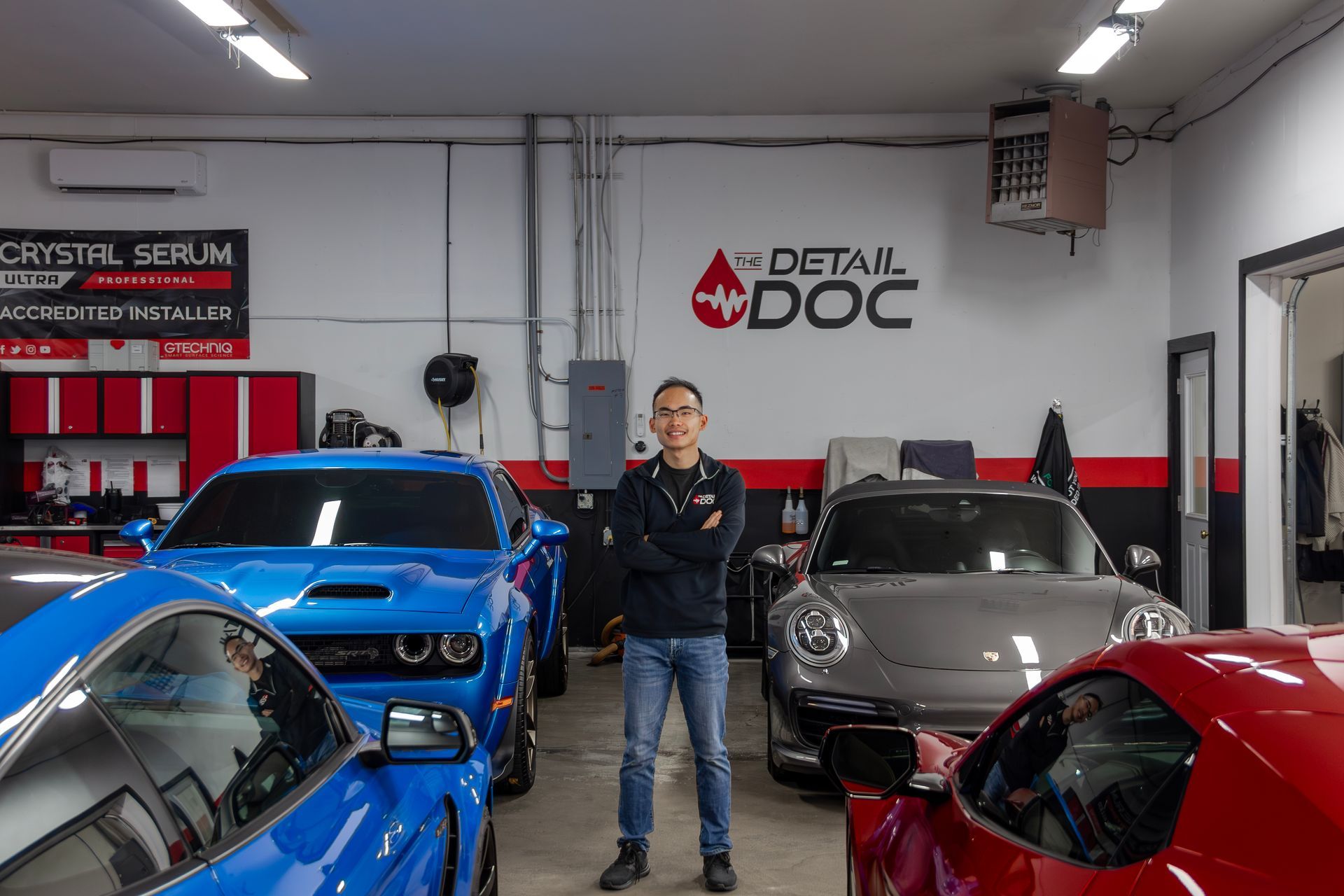
Professional installation offers the highest level of reliability. Experienced technicians have controlled environments, proper lighting, and the expertise needed to apply coatings correctly. At The Detail Doc, we use advanced tools, premium coatings, and proven preparation processes to ensure consistent results for drivers across Bay City, Saginaw, Freeland, Midland, Frankenmuth, and surrounding communities.
Protect Your Vehicle with Professional Ceramic Coating Care
Ceramic coating is one of the best ways to protect your vehicle’s paint, but only when applied and maintained correctly. By understanding the causes of coating failure, learning how to fix common issues like high spots and streaks, and adopting consistent maintenance habits, you can keep your coating performing at its best for years. Michigan’s climate creates additional challenges, but with the right product and ongoing care, ceramic coatings provide powerful long-term protection against oxidation, UV damage, salt, chemicals, and environmental pollutants.
The Detail Doc has extensive experience installing and maintaining ceramic coatings for drivers throughout the Mid-Michigan region. Our team uses high-quality products, advanced preparation techniques, and professional-grade tools to deliver exceptional results. Whether you need coating correction, reapplication, or long-term maintenance support, we are here to help you protect your investment.
If you want professional ceramic coating application or expert guidance on maintaining your vehicle’s finish, call The Detail Doc at (989) 244-0505. We proudly serve customers in Bay City, Saginaw, Midland, Freeland, Frankenmuth, Bridgeport, Birch Run, Clio, Fenton, Shields, and surrounding Michigan communities. Your vehicle deserves long-lasting protection and care, and our team is ready to provide it.
The Detail Doc Blog